Showing posts with label DHA. Show all posts

Tuesday, January 30, 2018

Why Omegaguard? Why not Other Brands?

I am very particular when it comes to something which I am going to put into my mouth.

Yes, that's how fussy I am. Before I decide which supplements that I am going to buy, I'll google and do all the research that I can, download all the research papers before I make my own conclusion. 

Do you know that most of the fish oil available in the market contain more fish fat than the actual Omega 3 that we want? 

A study was done among all the different brands of fish oil available in the market. Results have shown that MAJORITY of the fish oil contain 30% to 60% of Omega 3 and the rest are basically fish fat which may consist of fillers, fish guts, fish eyes, unhealthy fish fats and contaminants (mercury and lead).


Shaklee Omegaguard was found to have over 90% of Omega 3 content where the 10% actually consist of 5 spectrum of healthy oils after undergone triple distillation process!! That's so impressive. And that is also why Shaklee Omegaguard are getting more and more popular nowadays as more people are turning into this brand for a higher Omega 3 content. 


 What are the other benefits of Shaklee Omegaguard?

(1) Triple Molecular distillation for purity and potency
This proprietary purification process concentrates the beneficial Omega3 fatty acids while removing harmful components like mercury, lead, arsenic cadmium, dioxins and other contaminants.

三重分子蒸馏法提供 更精纯,更高效的鱼油。 这专利的蒸馏过程把有益 的Omega-3脂肪酸浓缩 化,并同时祛除有害物 质,如水银、铅、砷、 镉、多氯化重苯基和其他 污染物。

It is important to choose Omega fish oil that goes through a vigorous refining process, such as molecular distillation process to remove potential contaminants and ensure the purity and safety of the fish oil. 


(2) Assurance of quality - Pharmaceutical grade fish oil
品质保证 – 医药级鱼油


(3) Has high DHA and EPA
 One serving gives you 990 mg of Omega-3 (546mg EPA, 360mg DHA).
提供丰富的EPA 及DHA – 每份为您提供990毫克 Omega-3脂肪酸(546毫克 EPA,360毫克DHA)


(4) Contains a full spectrum of 7 pure occurring omega 3 fatty acids like EPA, DHA & more. 
富含所有7种纯净的 Omega-3 脂肪酸, 如EPA, DHA及更多


(5) Minimal odor and fishy taste
减少异味和腥味


(6) Certified by Friends of the Sea
This ensures a constant supply of high-quality fish oil without harming the environment.
获得海洋之友认证(Friends of the Sea),确保嘉康利获得高品质 鱼油永续供应的同时,不破坏环境


Do you wish to give Shaklee Omegaguard a try? This month we are having promotion ya. 
Buy 3 at 5% off. Hurry up. You have only 1 day left to grab this at promo price. 


Whatsapp Mommy F for more info ya. 

013-8033850

www.wasap.my/60138033850

Mommy F (1243458)

Monday, August 7, 2017

Surprising Facts about Omega

In this era, almost everyone is supplementing their diet with fish oil due to its great health benefits. Fish oil is oil derived from the tissues of oily fish. 

 
Fish oil is actually very rich in Omega and Omega can be divided into 3 types (Omega 3, Omega 6 and Omega 9).  

  • Omega 3 - there are 3 types of omega 3 which includes EPA, DHA dan ALA. Omega 3 (DHA & EPA) is the one which is RICHLY found in Shaklee Omegaguard. It is very crucial for our brain, heart and etc. 
  • Omega 6 - when combined with Omega 3 has SUPERB health benefit. The only thing we need to take note is the balance between a ratio of 2:1 in between Omega 6 and Omega 3. The problem is that majority of us have more Omega 6 in our diet which is in fact, more than the required ratio. Omega 6 can be found richly in frozen food and processed food. Nowadays, people love to take fast food and research has shown that the ratio of Omega 6 and Omega 3 is between 20:1 to 50:1 and this unbalance ratio will lead to a lot of health problem. 
  • Omega 9 - good for our heart and immune system function. But Omega 9 can be produced by our own body. Therefore, there's no need to waste any money to buy supplements for Omega 9.
So far, only Omega 3 and 6 cannot be produced by our own body and therefore, we can only obtain these through our daily diet and supplement.

Now, why is there no ALA in Shaklee Omegaguard? Why only DHA and EPA? 

The reason is very simple. Because our body only need DHA and EPA. 

You may be taking food which are rich in ALA or supplements rich in ALA, but ultimately, all these ALA will be converted to DHA and EPA. Nevertheless, I'm not sure how effective will all the ALA be converted to DHA and EPA.  

That's the reason why it's very difficult to find Omega supplements with ALA in the market. What our body need is actually the DHA and EPA.  


Generally, DHA is very important for brain and eye heath whereas EPA is good for joint and heart health. 

Now, let's see what are the benefits of Omega 3. 


(1) Brain - more focus, more connections among the brain cells, lower risk of Alzheimer, depression, anxiety and stroke. Research conducted at the Louisiana State University has shown that fatty acids are effective in treating Alzheimer’s disease. Since fish oil is one of the best sources of essential fatty acids, including EPA and DHA, it helps in the treatment of Alzheimer’s disease. More research conducted at the University of California at Los Angeles (UCLA) validates the usefulness of fish oil as a possible remedy for the disease. The Alzheimer’s Association recommends fish containing a higher content of omega-3 fatty acids to patients since it acts as a defense against Alzheimer’s disease and dementia.


(2) Eye It is well known that fish oil has the ability to improve vision. It also helps in avoiding age-related macular degeneration. The National Eye Institute at the National Institute of Health in the United States plans to conduct a nationwide study to evaluate the effect of fish oil in treating macular degeneration. This study will provide strong scientific evidence regarding the benefits of fish oil for eye care, thereby allowing government agencies and physicians to strongly recommend fish oil for macular degeneration.

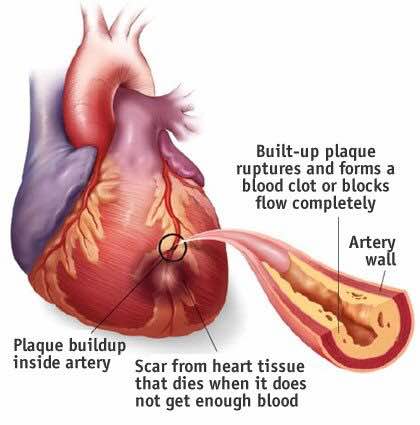
(3) Heart health - According to the American Heart Association (AHA), clinical trials have shown that omega-3 is effective in reducing the incidence of cardiovascular diseases (CVD). Fish oil is a great source of omega-3 and therefore, reduces the risk of heart diseases and heart arrhythmias. It also lowers the level of bad cholesterol (LDL) and increases the level of good cholesterol (HDL). Fish oil prevents the accumulation of triglycerides and also reduces the level of excess triglycerides. Preliminary research has shown that fish oil can be used to prevent atherosclerosis in coronary patients. Thus, fish oil is effective in preventing strokes and regular usage of fish oil can help avoid sudden cardiac death. As per the American Heart Association, these preliminary findings still need to be confirmed by a further detailed research.


(4) Arthritis - Fish oil is useful in the treatment of arthritis, rheumatism, Raynaud’s symptoms and similar conditions. Using fish oil can help in reducing the need for large dosages of NSAIDs (non-steroidal anti-inflammatory drugs). The Royal Adelaide Hospital and theUniversity of Newcastle, located in Australia, have reported that fish oil has shown positive effects in the treatment of arthritis. In cases of osteoarthritis, fish oil can be helpful in reducing the impact of enzymes that destroy cartilage.


(5) Anti-Inflammatory Properties: Fish oil is effective in reducing inflammation in the blood and tissues. Regular consumption of fish oil supplements, tablets, pills, and capsules is helpful to those who suffer from chronic inflammatory diseases. Fish oil is effective in treating gastrointestinal disorders, Celiac disease, short bowel syndrome and inflammatory bowel disease (IBD) including Crohn’s Disease and ulcerative colitis, which are both typical disorders of the intestine. Patients suffering from Crohn’s disease often find it difficult to absorb vitamins, fats, and essential supplements. Fish oil supplements are an effective diet for such patients.


(6) Skin Care: It is great for improving the condition of dry skin by making it look shiny and vibrant. It is useful in treating various skin problems such as eczema, psoriasis, itching, skin redness, skin lesions, and rashes. In terms of psoriasis, the EPA present in fish oil restricts the growth of pro-inflammatory agents by producing arachidonic acid. Therefore, fish oil can also be applied topically to get relief from psoriasis.

(7) Improved Immunity: It is believed that regular consumption of fish oil aids in boosting your immune system, thereby enabling you to resist the occurrence of common diseases like colds, coughs and the flu. Omega-3 fatty acids present in fish oil bolster the immune system by affecting the activity and amount of cytokines and eicosanoids present in our body. Researchers have alsostudied the effect of fish meal and fish oil on the immune system of pigs and found that fish oil aided in the growth of the animals. Similar research conducted on mice at Taichung Veterans General Hospital, Taiwan, also gave positive results.

(8) Weight Loss: Research conducted by Professor Peter Howe at the University of South Australia has shown that fish oil improves the efficacy of exercise in attempts to reduce weight. Volunteers who were given fish oil in their diet showed greater weight loss as compared to those who did not regularly consume it. Fish oil contains omega-3 fatty acids, which help to promote the weight loss, so a combination of physical workout and intake of this oil helps in reducing body fat significantly faster.

9) ADHD or ADD Fish oil has the ability to treat Attention Deficit Hyperactivity Disorder (ADHD) due to its high concentration of fatty acids. For children suffering from hyperactivity, dyslexia, dyspraxia, inability to complete tasks, emotional instability, wavering attitude, poor coordination, short attention span, short-term memory weakness, low concentration, tendency to interrupt others, recklessness, hastiness, impetuosity, impulsiveness, low IQ, or learning disorders, fish oil is a proven remedy. Research conducted at the University of South Australia and CSIRO has shown that when children suffering from ADHD were given doses of fish oil and evening primrose capsules for 15 weeks, they showed significant improvements in their behavior. Since, human brain consists of about 60% fats, especially essential fatty acids such as omega-3 and omega-6, it helps to improve the functions of the brain. Furthermore, it is believed that fish oil is useful in the normal development of the brain, along with helping your child concentrate on their studies. It has also been found that when pregnant women are given regular doses of fish oil, their toddlers display enhanced hand-eye coordination.


Not all fish oil are the same. I personally prefer Omegaguard from Shaklee due several reasons which I will discuss further in my next blog. 


I have just stocked up 5 bottles of Omegaguard few days ago because we have promotion going on this month. 


Buy 5 bottles FREE RM60 E-Voucher. This is definitely a great deal. 

You may contact me to know more. 

Dr. Mommy F 
Shaklee Independent Distributor (1243458)


Tuesday, August 1, 2017

6 Nutrients Most Essential for Fetal Development


Pregnant women can’t simply eat whatever they want, as a balanced diet is crucial for healthy fetal development. If you fail to get certain nutrients while your baby is forming, you risk subjecting the fetus to birth defects and learning disabilities. Likewise, the mother may experience more complications with her own body throughout the pregnancy if she eats an unhealthy diet, and could have problems with labor when it’s time for the baby to be born. To get the right nutrients, pregnant women should subscribe to a diet rich in vitamins and minerals. Most of them are common sense, although the amounts you should get vary from nutrient to nutrient.

(1) Calcium


Not only does calcium promote strong bones in adults, but it also helps in fetal development by administering bone growth. Calcium aids in blood clotting, the sending of nerve signals, muscle contractions, hormone release and heartbeat regulation. Pregnant mothers need to make sure that they are getting their usual calcium intake during pregnancy so that there is enough left over for the baby, although a supplement is usually not needed unless you are calcium deficient. The Institute of Medicine’s Food and Nutrition Board suggests that everyone gets 1,000 milligrams of calcium daily, including pregnant women. Likewise, a 2010 study published in The Journal of Nutrition indicated that a calcium-deficient mother could give birth to a child more prone to increased body fat percentage, elevated triglycerides and insulin resistance.

Also known as DHA, docosahexaenoic acid is an Omega-3 fatty acid that helps in your baby’s brain development. Getting the right amount of DHA can increase your baby’s intelligence, providing them with better attention spans and capacity to learn. Getting DHA can be as simple as adding salmon or Omega-3 fortified eggs to your diet. According to the March of Dimes, pregnant women should get 200 milligrams of DHA daily to ensure optimal infant brain, eye, and nervous system development.


Folic acid is crucial because it prevents babies from being born with neural tube defects such as spina bifida and anencephaly. These serious birth defects can cause lifelong paralysis and the baby to be born with part of its brain missing. Folic acid helps with cell division and formation, and in pregnancy, helps the baby form the neural tube that will become the spinal cord and brain. If the fetus doesn’t get enough folic acid, the neural tube may not close properly, putting the baby at risk for defects. Yet, by adding folic acid to your diet, you can help prevent a string of problems from occurring, such as cleft lip and low birth weight. You can get your required intake of 600 mcgs of folic acid by munching on leafy, green vegetables, bananas, or nuts.

(4) Iron


When you’re pregnant, getting enough iron in your diet is important because it plays an essential role in your baby’s brain development. Research conducted by University of Rochester Medical Center showed that anemia or iron deficiency in infants may slow the onset of auditory nervous system development, compromising the baby’s ability to comprehend sound. This could lead to language problems down the line. When a mother doesn’t get enough iron, her baby may also be born with a low birth weight, which can bring on some complications. However, a mother should not get too much iron, as excess amounts can be toxic. Getting iron from a healthy diet is likely better than resorting to iron pills during pregnancy, which can supply a mother with more iron than she requires.

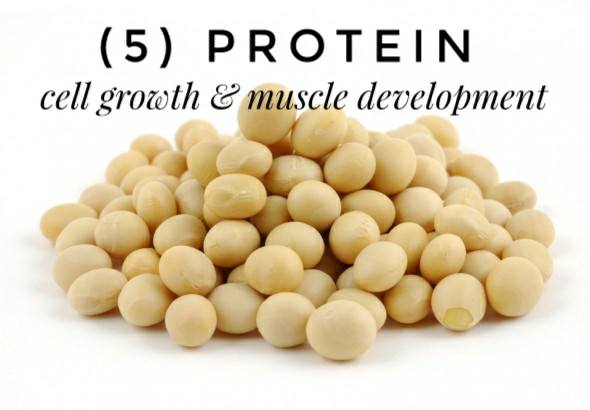
(5) Protein


A developing fetus needs protein because it encourages cell growth, provides the amino acids that boost in bone and muscle development, and allows for healthy blood production. By contrast, a lack of protein can cause a myriad of issues, including poor muscle and joint development, poor bone development, muscle or bone deformities, miscarriage, brain damage and a high risk of birth defects. A pregnant mother lacking protein may feel weak and fatigued. To ensure her baby develops normally, a mother should consume 70 grams of protein daily, from sources like eggs, peanut butter, and meats. However, she should avoid eating soft or unpasteurized cheeses as a source of protein, as they contain bacteria that could cause food-borne illnesses. 
ESP Protein powder is highly recommended for pregnant mothers because the protein from soy is equivalent to 4 times of egg, 12 times of milk, low in fat, no cholesterol and more easily absorb by human body. 

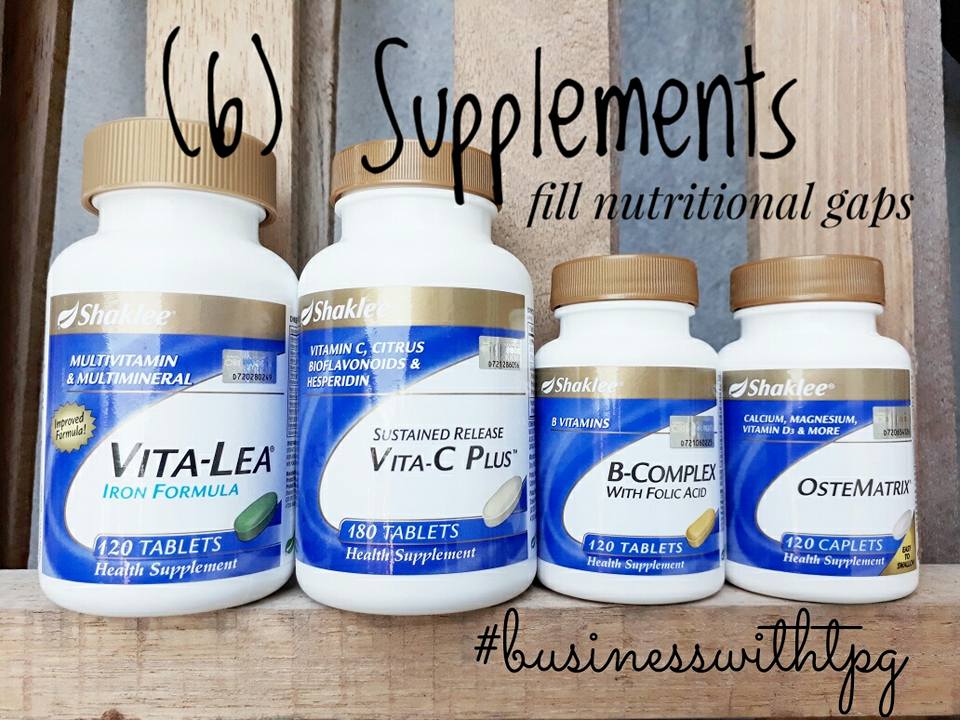
(6) Multivitamins and Minerals (Supplements)


Moms need to eat essentially an alphabet of vitamins, including vitamin A, B-vitamins, vitamin C, and vitamin D. Vitamins play an important role in fetal development. Vitamin A and beta carotene help your baby grow bones and teeth, flawless baby skin, and help with eyesight development. While 770 mcg should be consumed daily, pregnant women must limit their intake of A vitamins derived from animals, which can adversely affect development. B-vitamins each have their benefits, from B-1, which regulates your nervous system and energy levels while pregnant to B-12, which aids in the formation of red blood cells. Vitamin C works to keep your body tissues undamaged, while vitamin D promotes strong bones. Vitamin E has multiple benefits, such as aiding in the absorption of vitamin K and muscle formation.
Make sure you don't skip these important nutrients during your pregnancy. 

If you can't afford to have a balance everyday, it is always wise to supplement the  6 most essential nutrients with supplements in order to fill the nutritional gaps. 

If you need any supplements, feel free to contact me. I teach customers how to take supplements correctly as well. 

013-803 3850
Dr. Mommy F
Shaklee Independent Distributor (ID: 1243458)
Coordinator of Shaklee Corporation 



Criteria for Choosing A Quality Fish Oil!

I am very particular when it comes to something which I am going to put into my mouth. Yes, that's how fussy I am. Before I decide ...