

Showing posts with label Protein. Show all posts

Wednesday, April 25, 2018

What You Need to Know About Protein


Nutrition experts support the addition of protein to your daily diet as an essential macro-nutrient to maintain health. However, there are some things we need to know about protein so that we make informed decisions for better health. 


(1) Why Is It Important To Include Soy Protein In Your Diet


Soy contains high amounts of protein with low content of fat. It provides 9 essential amino acids that our body can’t produce. Soy is also the only plant-based protein that is easily digestible and possesses the quality equal to animal-based protein. Most importantly, the FDA has approved that diets low in saturated fat and cholesterol along with 25g of soy protein per day may reduce the risk of heart disease. 

(2) Will Soy Fat Make Me Fat?


Clinical research shows that consumption of soy protein promotes longer satiety, resulting in less calorie intake during meals and reduced occurrence of snacking. As a result, it helps to support healthy weight management.  


(3) Will Soy Protein Make Men More Feminine? 


A scientific analysis has been done on more than 30 health researched related to soy and males’ hormones. It showed that neither soy food nor isoflavones (natural substance found in soy) has any effect on testosterone levels in males. In simple words, it is safe for men to consume soy protein regularly and still maintain their manliness. 


(4) Can Menopausal Women Consume Soy Protein?


According to a cross cultural studies that has been conducted among menopausal women, subjects in Japan who consumed high intake of soy food daily experienced a smoother transitional period of menopause. In Asian countries, the average consumption of soy food per person is estimated to provide 25 – 45 mg of isoflavones. Soy protein does not only support a smoother menopausal transitional period but also support the maintenance of healthy bones which women need during this challenging period. 


(5) Can I Take Soy Protein With Other Supplements?


Soy protein is a versatile nutrient. It complements other nutrients easily and seamlessly into your diet. You can include alfafa, B vitamins, plant sterois and even collagen with your soy protein daily to enhance overall well-being. 


Did You Know ??


Do you have any idea who is handsome man is? 

He is Dr. Forrest C. Shaklee who invented the first soy protein isolate formula in 1961. 
  • Best soy protein for sustained energy
  • Convenient source of soy protein with great-tasting flavor
  • Rich in calcium
  • Helps reduce blood cholesterol

Shaklee ESP Protein is a very good source of protein. One serving provides:
  • 14g of protein
  • 8g of carbohydrates
  • 500mg of calcium


We have ESP Promo this month ya and the PROMO will end in 5 days time. 

BUY 5 FREE RM50 VOUCHER!!


Best deal from Mommy F ya. 

013-8033850
Dr. Mommy F (1243458)


What Is So Special About ESP Soy Protein Isolate Powder?


Out of so many Protein Supplements in the market, why Shaklee ESP?


Shaklee Energizing Soy Protein has been recognized through extensive clinical studies carried out worldwide as the highest quality plant base protein. 

Did you know one serving of ESP provides 14g of protein , 8g of carbohydrates and 500mg of calcium? 

What else is inside your ESP Drink? 


(A) Provides 14g of Low Glycemic Index Protein
It contains only non-GMO (non-Genetically Modified Organism) soybean and processed under low temperature. Each 1kg tin of Energizing Soy Protein is extracted from 30 kg of soybean. It boosts energy instantly without the need of digestion process. Its low Glycemic Indices (G.I.) also make it suitable for diabetic patients.


ESP has been formulated as low glycemic index to sustain energy hour after hour and helps ward off hunger. High-glycemic foods will rise up your blood glucose levels. Low-glycemic food keeps your blood glucose level more stable, helping to reduce carbohydrate cravings, making you feel fuller and satisfied longer, and control your appetite more easily. 

(B) PDCAAS (Protein Digestibility Corrected Amino Acid Score) Score of 1.0
ESP has the highest value of protein digestibility and highest protein quality which is equal to that given animal proteins. 


(C) Contains 9 Essential Amino Acids
Shaklee Energizing Soy Protein contains 22 types of amino acid and it is the only product in the market that guarantees providing 9 essential amino acids which cannot be produced by human body. It is suitable for all ages – young and old.


(D) Rich In Other Nutrients and Cholesterol Free


  • Rich in calcium - aids in development of strong teeth and bones
  • Cholesterol Free - maintain your cholestrol level
  • Low in fat - Unlike protein from meat, eggs and dairy, ESP is low in fat.
  • Soy Protein helps to reduce cholesterol
  • Iron - Support red blood cells formation
  • B Vitamins - Contains Niacin, Panthothenic Acid, Riboflavin, Vitamin B6 which helps to break down fats and carbohydrates for energy and produce new and healthy cells. 
  • Protein - Provides you the nutrients needed for growth and optimise your bodily functions. 

The protein from soybean is twice of meat, 4 times of egg, 12 times of milk, low in fat, no cholesterol and more easily absorbs by human body.


ESP is 100% Vegetarian formula. For best results, mix 3 tablespoon of ESP with a glass of milk, juice, water, or your favorite beverage. If desired, blend with fruit or other ingredients to make delicious smoothies. 


If you are looking for protein supplement, you can always look for me. 

You are lucky because we have promotion for ESP this month. Grab it now before it's too late. 


Just give me a whatsapp message for more info. 

I give BEST DEAL to all my customers! 


013-8033850
Dr. Mommy F (1243458)
Shaklee Independent Distributor


Thursday, April 19, 2018

Are You Taking Enough Protein?

Let's have a quick check! Do you have these symptoms? 


  • Dry & brittle hair and nail?
  • Weak immunity?
  • Older skin?
  • Weight gain?
  • Fatigue?
  • Weak bones?

Does it sounds like you? Hehe. 

Then perhaps, it's time to give your body a boost with PROTEIN!!

Being the most essential nutrients for a healthy body, protein is undeniably important as it plays various role towards your body.

How much protein do you really need in a day? Actually, the recommended protein intake is different for everyone. It varies according to your age, height, weight, gender, your activities and also whether or not you are pregnant. 

Let's play around with this "Protein Intake Calculator". Try it. It's fun!!

Formula = Age X Recommended daily protein/kg intake (see 'protein guide', below)

For example, a 38 year old woman weighing 70 kg would use the formula as below:

0.75 X 70 = 52.5 gm of protein


So, based on the formula given, my target daily protein intake is about 35 gm. How about you? 

If you do not have the idea how much 35 gm of protein is, then perhaps this chart below can give you a rough idea of how much food I need to take in order to fulfill my daily recommended protein intake. 


Based on the figure above, I need double portions for each of the food.  Haha!!

Amino acids are the building blocks that make up protein. There are 20 different amino acids in all, and different proteins provide different combinations of amino acids in varying ratios [1].

Since each high-protein food contains a different amino-acid profile, it's important to eat a range of protein sources. In other words, don't just eat chicken breast five times a day. Great protein sources include lean meats, cottage cheese, eggs and fish. If you are vegan, eat plenty of legumes, nuts, and seeds. 

If you find it tough to get enough protein from dietary sources, use protein supplements to hit your numbers. That's why I am now taking ESP Protein everyday. 


One serving of ESP is equivalent to 14 gm of protein. For the remaining 21 gm of protein,  I can just get it from my normal diet in order to meet a total of 35 gm of my daily protein intake.

Are you taking enough Protein everyday? 

Make sure you do the calculations ya. If you are looking for protein supplement, you can always look for me. 

You are lucky because we have promotion for ESP this month. Grab it now before it's too late. 


Just give me a whatsapp message for more info. 

I give BEST DEAL to all my customers! 


013-8033850
Dr. Mommy F (1243458)
Shaklee Independent Distributor


References
1. Bruce, A., Johnson, A., Lewis, J., Raff, M., Roberts, K., & Walters, P. (2002). The shape and structure of proteins. Molecular Biology of the Cell. 


References


Saturday, April 14, 2018

How to choose the Best Protein Powder?


Easy to prepare and convenient to consume anytime, anywhere, dietary protein powder is the easiest way to ensure you have sufficient protein daily. However, with so many brands and types of proteins on the market shelves, which one is the best for you? 


TIP 1: GO FOR SOY!


Suitable for everyone including those who are lactose-intolerant. 
• Delivers various benefits such as cholesterol lowering effect [1]. 
• Continuous soy protein consumption helps women manage menopausal syndrome such as hot flush.2 
• 100% plant-based and suitable for vegans.


TIP 2: NO ADDED REFINED SUGAR


Most manufacturers add refined sugar into their protein powders to improve taste. Make the right decision and say no to added refined sugar! 
• Taking protein as it is helps to ensure that you do not consume excess calories. 
• Helps to maintain healthy blood sugar levels.


TIP 3: HAS LOW GLYCEMIC INDEX


Glycemic index (GI) is an index that shows the effect of food on your blood sugar level. A high GI protein causes a spike in your blood sugar, leaving you tired, irritable and hungry. A low GI soy protein helps to: 
• Maintain healthy blood sugar levels. 
• Increase satiety, making you feel full longer. 
• Control and manage food intake and body weight.


TIP 4: COMPLETE WITH 9 ESSENTIAL AMINO ACIDS


Amino acids are the building blocks of protein. A daily consumption of the 9 essential amino acids is vital for: 
• Optimal bodily functions. 
• Biological processes such as giving cells their structure, transporting and storing nutrients and forming organs, glands and muscles. 
• Tissue repair in skin, bones and hair


TIP 5: NON-GMO


Genetically modified organism (GMO) is a plant, animal, or microorganism whose genetic makeup has been modified using genetic modification or engineering techniques. Eating too much GMO food may cause health issues in the long run. Non-GMO sources ensure: 
• Nutrients are intact in the food source. 
• Healthier and safer food alternative.


TIP 6: LOW IN FAT


Ultimately, you want to reap the benefits (minus the fat) of protein from the powder you pick from the shelf. Choose less than 3g of fat for every 100g of the protein powder. 
• Maintain muscle mass. 
• Maintain cholesterol level.

I'm happy that Shaklee ESP fulfills all the 6 requirements. Not only that, one serving provides 14g of protein, 8g of carbohydrates, and 500mg of calcium. 

You are lucky because this month we have promotion for ESP. Remember to get best deal from Mommy F ya. 


013-8033850
Dr. Mommy F (1243458)
Shaklee Independent Distributor

#espPROMO
#healthywithmommyf
#beautywithmommyf
#espwithmommyf


References: 
1. Xiao C.W. 2008. Health effects of soy protein and isoflavones in humans. J. Nutr. 2008;138:1244S–1249S. 
2. Messina, M. (2016). Soy and Health Update: Evaluation of the Clinical and Epidemiologic Literature. Nutrients, 8(12), 754.

Tuesday, August 1, 2017

Why is Protein Important for Pregnant Woman?


(1) Why is protein important?
Do you know that protein is a very important nutrient during pregnancy?


The amino acids that make up protein are the building blocks of your body's cells – and of your baby's body as well.
It's important to get enough protein throughout your pregnancy, but it's especially critical during the second and third trimesters.
That's when your baby is growing the fastest, and your breasts and organs are getting bigger to accommodate the needs of your growing baby.

(2) How much protein do you need?


A developing fetus needs protein because it encourages cell growth, provides the amino acids that boost in bone and muscle development, and allows for healthy blood production. By contrast, a lack of protein can cause a myriad of issues, including poor muscle and joint development, poor bone development, muscle or bone deformities, miscarriage, brain damage and a high risk of birth defects. A pregnant mother lacking protein may feel weak and fatigued. To ensure her baby develops normally, a mother should consume 70 grams of protein daily, from sources like eggs, peanut butter, and meats.

(3) Food sources of protein

Beans are a great source of protein, as are lean meat, poultry, fish and shellfish, eggs, milk, cheese, tofu, and yogurt. Although animal products contain complete proteins (all nine amino acid components) and plant sources generally don't, eating a variety of foods throughout the course of the day will help ensure that you get all of the amino acids you need. Eat three or four servings of protein daily, and you'll be well on your way to eating right for a healthy pregnancy and baby. (Seventy grams of protein roughly equals the total of two 8-ounce glasses of milk, a 5-ounce chicken breast, and one 7-ounce container of nonfat Greek yogurt, for example.)
Caution: Not all fish are considered safe during pregnancy. Some predator fish – particularly shark, swordfish, king mackerel, and tilefish – should be avoided because they contain methyl mercury, a metal believed to be harmful in high doses to the growing brains of fetuses and young children. The U.S. Food and Drug Administration recommends that you eat 8 to 12 ounces of other fish during pregnancy.

If you are no able to consume that much of protein a day, supplement your diet with protein powder is a wise choice to fill the nutrients gap.

Are you looking for protein powder?

Then you should consider ESP because the vanilla taste is so YUMMYLICIOUS that will definitely increase the appetite of a pregnant woman.


Buzz Mommy F to find out more about ESP Protein.

Best deal for my customers.

013-803 3850

Dr. Mommy F
Shaklee Independent Distributor (ID: 1243458)
Coordinator of Shaklee Corporation

6 Nutrients Most Essential for Fetal Development


Pregnant women can’t simply eat whatever they want, as a balanced diet is crucial for healthy fetal development. If you fail to get certain nutrients while your baby is forming, you risk subjecting the fetus to birth defects and learning disabilities. Likewise, the mother may experience more complications with her own body throughout the pregnancy if she eats an unhealthy diet, and could have problems with labor when it’s time for the baby to be born. To get the right nutrients, pregnant women should subscribe to a diet rich in vitamins and minerals. Most of them are common sense, although the amounts you should get vary from nutrient to nutrient.

(1) Calcium


Not only does calcium promote strong bones in adults, but it also helps in fetal development by administering bone growth. Calcium aids in blood clotting, the sending of nerve signals, muscle contractions, hormone release and heartbeat regulation. Pregnant mothers need to make sure that they are getting their usual calcium intake during pregnancy so that there is enough left over for the baby, although a supplement is usually not needed unless you are calcium deficient. The Institute of Medicine’s Food and Nutrition Board suggests that everyone gets 1,000 milligrams of calcium daily, including pregnant women. Likewise, a 2010 study published in The Journal of Nutrition indicated that a calcium-deficient mother could give birth to a child more prone to increased body fat percentage, elevated triglycerides and insulin resistance.

Also known as DHA, docosahexaenoic acid is an Omega-3 fatty acid that helps in your baby’s brain development. Getting the right amount of DHA can increase your baby’s intelligence, providing them with better attention spans and capacity to learn. Getting DHA can be as simple as adding salmon or Omega-3 fortified eggs to your diet. According to the March of Dimes, pregnant women should get 200 milligrams of DHA daily to ensure optimal infant brain, eye, and nervous system development.


Folic acid is crucial because it prevents babies from being born with neural tube defects such as spina bifida and anencephaly. These serious birth defects can cause lifelong paralysis and the baby to be born with part of its brain missing. Folic acid helps with cell division and formation, and in pregnancy, helps the baby form the neural tube that will become the spinal cord and brain. If the fetus doesn’t get enough folic acid, the neural tube may not close properly, putting the baby at risk for defects. Yet, by adding folic acid to your diet, you can help prevent a string of problems from occurring, such as cleft lip and low birth weight. You can get your required intake of 600 mcgs of folic acid by munching on leafy, green vegetables, bananas, or nuts.

(4) Iron


When you’re pregnant, getting enough iron in your diet is important because it plays an essential role in your baby’s brain development. Research conducted by University of Rochester Medical Center showed that anemia or iron deficiency in infants may slow the onset of auditory nervous system development, compromising the baby’s ability to comprehend sound. This could lead to language problems down the line. When a mother doesn’t get enough iron, her baby may also be born with a low birth weight, which can bring on some complications. However, a mother should not get too much iron, as excess amounts can be toxic. Getting iron from a healthy diet is likely better than resorting to iron pills during pregnancy, which can supply a mother with more iron than she requires.

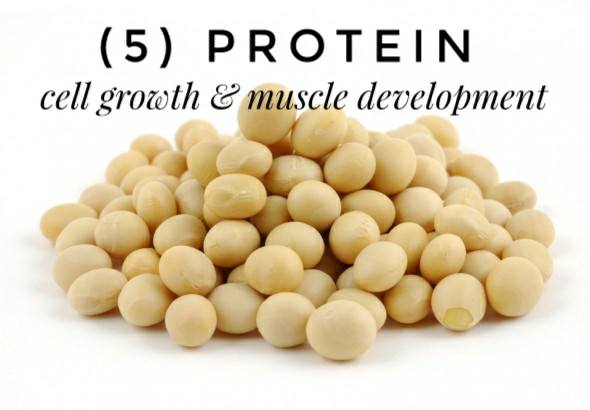
(5) Protein


A developing fetus needs protein because it encourages cell growth, provides the amino acids that boost in bone and muscle development, and allows for healthy blood production. By contrast, a lack of protein can cause a myriad of issues, including poor muscle and joint development, poor bone development, muscle or bone deformities, miscarriage, brain damage and a high risk of birth defects. A pregnant mother lacking protein may feel weak and fatigued. To ensure her baby develops normally, a mother should consume 70 grams of protein daily, from sources like eggs, peanut butter, and meats. However, she should avoid eating soft or unpasteurized cheeses as a source of protein, as they contain bacteria that could cause food-borne illnesses. 
ESP Protein powder is highly recommended for pregnant mothers because the protein from soy is equivalent to 4 times of egg, 12 times of milk, low in fat, no cholesterol and more easily absorb by human body. 

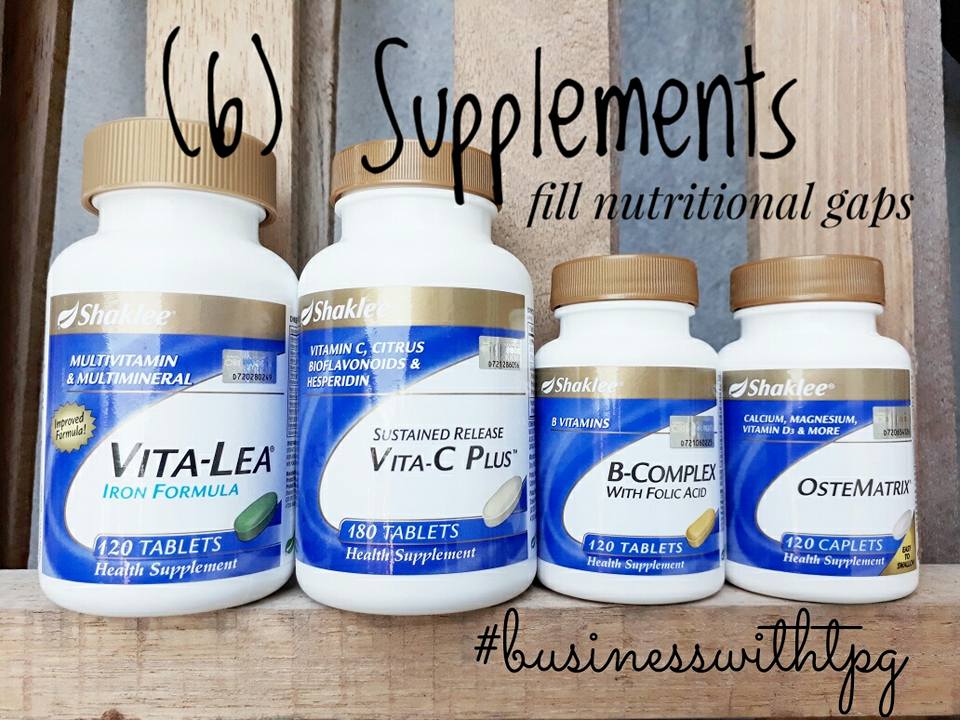
(6) Multivitamins and Minerals (Supplements)


Moms need to eat essentially an alphabet of vitamins, including vitamin A, B-vitamins, vitamin C, and vitamin D. Vitamins play an important role in fetal development. Vitamin A and beta carotene help your baby grow bones and teeth, flawless baby skin, and help with eyesight development. While 770 mcg should be consumed daily, pregnant women must limit their intake of A vitamins derived from animals, which can adversely affect development. B-vitamins each have their benefits, from B-1, which regulates your nervous system and energy levels while pregnant to B-12, which aids in the formation of red blood cells. Vitamin C works to keep your body tissues undamaged, while vitamin D promotes strong bones. Vitamin E has multiple benefits, such as aiding in the absorption of vitamin K and muscle formation.
Make sure you don't skip these important nutrients during your pregnancy. 

If you can't afford to have a balance everyday, it is always wise to supplement the  6 most essential nutrients with supplements in order to fill the nutritional gaps. 

If you need any supplements, feel free to contact me. I teach customers how to take supplements correctly as well. 

013-803 3850
Dr. Mommy F
Shaklee Independent Distributor (ID: 1243458)
Coordinator of Shaklee Corporation 


Criteria for Choosing A Quality Fish Oil!

I am very particular when it comes to something which I am going to put into my mouth. Yes, that's how fussy I am. Before I decide ...